How to Rank in ChatGPT: An Honest ChatGPT SEO Guide
ChatGPT SEO explained honestly: how ChatGPT search picks sources, what improves your chances of being recommended, crawler settings and how to measure it.


Short answer
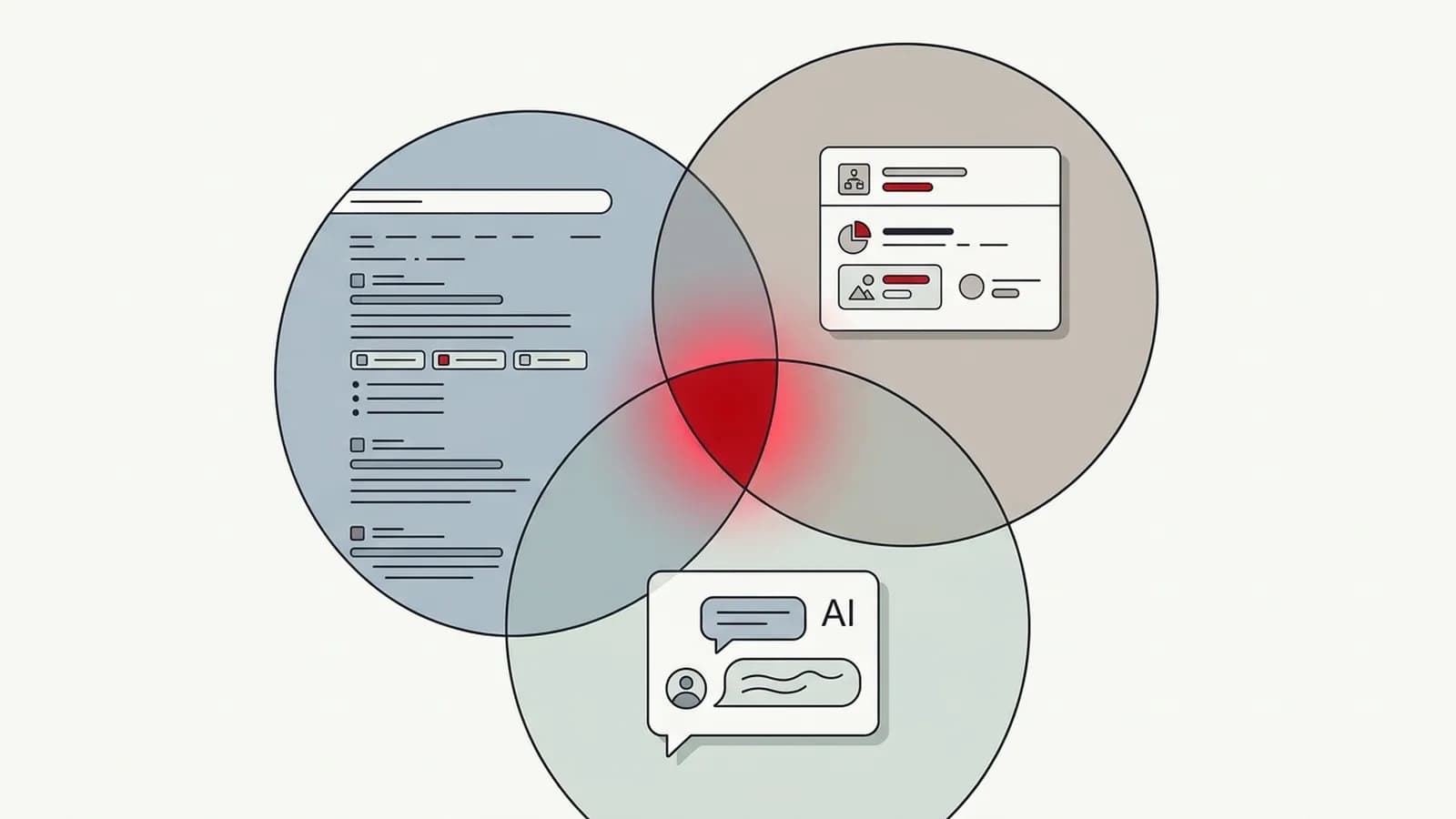
There is no fixed ranking in ChatGPT and no legitimate way to guarantee a recommendation. ChatGPT SEO means making accurate, consistent information about your business easy to find and trust: rank well in search, allow OAI-SearchBot to crawl you, describe your business identically everywhere, publish specific content worth citing, and earn mentions on the third-party sites ChatGPT draws on.
Key takeaways
- ChatGPT has no fixed positions: answers change with prompt wording, conversation context, memory, location and whether it searches the web, so visibility must be measured as a rate across many prompts.
- OAI-SearchBot is the crawler that makes pages eligible to appear in ChatGPT search results; GPTBot is used for model training. They can be allowed or blocked independently in robots.txt.
- Entity consistency (same name, description, category and facts on every profile) is one of the cheapest and most overlooked ChatGPT SEO fixes.
- Third-party mentions on reviews, directories, publications and 'best of' lists often decide whether a brand is recommended at all.
- Anyone selling guaranteed ChatGPT placement cannot deliver it; organic answers cannot be bought.
In this article (9 sections)
- 1How to rank in ChatGPT: the short checklist
- 2Why there are no fixed positions in ChatGPT
- 3How ChatGPT search finds and chooses sources
- 4Which crawlers should you allow? OAI-SearchBot vs GPTBot
- 5ChatGPT ranking factors, grouped by Read–Know–Recommend
- 6How do I get my products recommended in ChatGPT?
- 7Common ChatGPT SEO mistakes (and what to avoid)
- 8How to measure ChatGPT visibility
- 9Is ChatGPT SEO worth it for your business?
ChatGPT SEO is the practice of improving how often ChatGPT mentions, cites and recommends your business. It is also one of the most oversold services in marketing right now. If you have been offered "guaranteed ChatGPT rankings", this guide explains why that is not possible, and what does genuinely move the needle.
I will cover how ChatGPT chooses its sources, the crawler settings people get wrong, the ranking factors I work on grouped by Read–Know–Recommend, how to get products recommended, what to avoid, and how to measure progress without fooling yourself.
How to rank in ChatGPT: the short checklist
If you only have ten minutes, these are the steps that matter most. Each is explained in detail further down.
- Let ChatGPT's search crawler in. Allow OAI-SearchBot in robots.txt and make sure your firewall or CDN is not blocking it.
- Get indexed in Bing. ChatGPT search draws on web search results, and Bing's index is a large part of that. Submit your sitemap in Bing Webmaster Tools and use IndexNow.
- Rank in normal search for the question. Pages that already rank well for a query are far more likely to be found and cited when ChatGPT searches the web.
- Answer the question directly. Put a clear, quotable answer near the top of the page, then the detail.
- Describe your business the same way everywhere. Same name, category, location and services on your site, profiles and directories.
- Earn mentions on sites ChatGPT already trusts. Reviews, industry publications, comparison and "best of" lists.
- Measure it as a rate. Track a fixed set of buyer prompts every month and record how often you are mentioned, cited and recommended. If you want a baseline done for you, that is what an AI visibility audit covers.
Why there are no fixed positions in ChatGPT
Google has a results page with positions one to ten. ChatGPT does not. Each answer is generated fresh, and it changes with:
- The exact wording of the question ("best CRM" vs "best CRM for a 20-person sales team in India").
- The conversation so far, including anything the user has already said about budget or location.
- Memory and personalisation, where the user has them switched on.
- Whether ChatGPT searches the web for that answer or relies on what the model already knows.
- Timing, because the sources it finds and the model itself change.
So "ranking" in ChatGPT is better understood as a probability: across a representative set of buyer questions, how often are you mentioned, how often is your site cited, and how often are you the one recommended? That framing matters, because it is how you should judge any provider's results too.
How ChatGPT search finds and chooses sources
When ChatGPT searches, it runs queries against search indexes, reads a handful of pages, and synthesises an answer, usually with source links. OpenAI has said it works with third-party search providers alongside its own crawler, so strong visibility in traditional search engines is effectively the entry ticket. It is worth making sure your site is verified in Bing Webmaster Tools as well as Google Search Console.
The searches it runs are not the same as the question the user typed. When ChatGPT or Perplexity searches the web, it typically turns a long prompt into one or more shorter search queries, and those may not match the user's wording at all. So rather than chasing the exact phrasing of each prompt, map each priority prompt to the searches likely to sit behind it ("best CRM for a 20-person sales team in India" might become "best CRM small sales team" and "CRM India pricing"), and make sure you have a strong page that answers each of those searches.
When it does not search, it answers from what the model learned during training. That knowledge reflects how your brand was described across the web up to its training cut-off, which is why your off-site reputation matters even for answers with no links at all.
In the AI visibility audits I run, the pattern is consistent: the brands that get recommended are the ones that rank for the underlying questions *and* are described clearly and consistently by several independent sources.
Which crawlers should you allow? OAI-SearchBot vs GPTBot
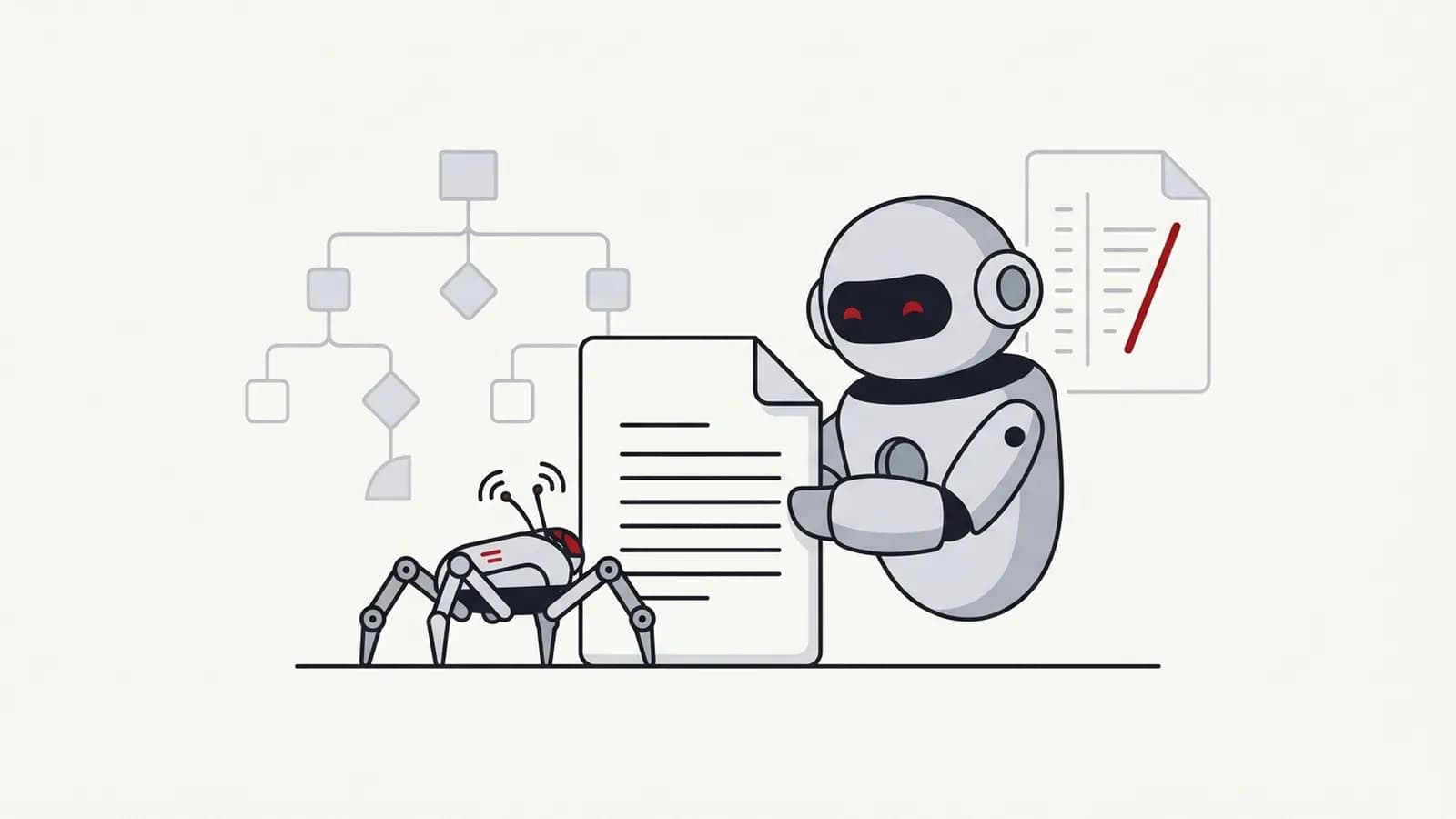
This is where I see the most confusion, and the most self-inflicted damage. OpenAI uses separate user agents for separate purposes, documented on its crawler overview page:
| User agent | What it does | Block it and… |
|---|---|---|
| OAI-SearchBot | Crawls pages so they can appear in ChatGPT search results | Your pages can drop out of ChatGPT search answers |
| GPTBot | Collects content that may be used to train OpenAI models | Your content is excluded from future training |
| ChatGPT-User | Fetches a page when a user or action asks for it | Live user requests for your pages fail |
The key point: you can block GPTBot for training and still allow OAI-SearchBot for search visibility. Many sites blocked "all AI bots" in a hurry and removed themselves from ChatGPT search in the process. Check your robots.txt, and also check your CDN or firewall, because bot-protection rules often block these agents without anyone noticing. My free AI crawler checker tests both: the robots.txt rules for each bot, and whether your server answers those user-agents.
Some website builders, hosts and CDNs now offer one-click or default settings to block AI bots. Before you turn one on, or if one is already on, check which user agents it covers. Some settings treat every AI crawler the same, so they can block search crawlers such as OAI-SearchBot along with training crawlers such as GPTBot.
On llms.txt: it is a proposed format, and no major AI provider has confirmed using it for citation or ranking. If you want one anyway, my free llms.txt generator builds it from your sitemap. Google says Search doesn't need special AI text files for its AI features (Google's AI features documentation). Even so, I add an llms.txt file by default, and I have seen some requests for it in server logs. I also add an ai.txt file, Spawning's proposal for stating whether your content and media may be used for AI training, which is honoured through Spawning's network and partners. There is no proof either file helps visibility, but there's no harm in adding both, so I add both by default. My llms.txt guide covers the evidence.
ChatGPT ranking factors, grouped by Read–Know–Recommend
There is no published list of ChatGPT ranking factors. These are the signals I see make a difference, grouped under the three pillars.
Read: can ChatGPT reach and understand your pages?
Let the right crawlers in. Allow OAI-SearchBot, and check your CDN and host settings, as described above. A page ChatGPT cannot fetch cannot be cited.
Put key facts in the HTML. Services, prices, locations and product details should be in the page's text when it loads, not only added later by JavaScript, because many AI crawlers do not run JavaScript. The CSR vs SSR checker shows what's in your raw HTML.
Know: does ChatGPT have a clear, corroborated picture of you?
Make your entity unambiguous. Use the same business name, one-line description, category, location and key facts on your website, LinkedIn, Google Business Profile, directories, marketplace listings and author bios. Add Organization (or Person) schema with sameAs links to those profiles. My free schema markup generator builds the JSON-LD. When sources disagree about what you do, AI systems become less confident about recommending you.
Earn third-party mentions. ChatGPT leans heavily on sources other than your own website: reviews, industry publications, community discussions, directories and editorial "best of" lists. Look at which sources it cites for your category's prompts, and work on being present and accurately described there. This is slow, genuine reputation work, and it is often what separates the brand that is recommended from the one that is not. Being described the same way by many independent sources tends to matter more than one brilliant article, which is why consistency work comes before thought leadership.
Keep facts current. If ChatGPT says you still offer a service you dropped, or lists an old address, trace where that fact lives (an old directory, a stale press release, your own outdated page) and fix it at the source.
Recommend: does ChatGPT name you when buyers ask for options?
Rank for the questions buyers actually ask. Map the prompts your buyers use to real search queries, and make sure you have strong pages for them. Comparison, "best X for Y", pricing and implementation queries matter most because those are where recommendations happen.
Publish content worth citing. Generic content that repeats every other page gives ChatGPT no reason to cite you. Pages that get cited tend to contain something specific: a clear definition, a documented process, a comparison table, original data, pricing ranges, or a framework with a name. Open each section with a direct answer, then back it up.
How do I get my products recommended in ChatGPT?
I have helped ecommerce brands get their products cited and mentioned in AI answers, and the work that makes the difference is mostly unglamorous. When a shopper asks ChatGPT for the best product for their situation, it needs to find clear, consistent facts about your product and see independent evidence that people rate it.
- Make product pages crawlable and specific. Price, availability, key specifications and who the product suits should be in plain text on the page, not hidden in images, tabs that load later or JavaScript-only widgets.
- Keep product facts identical everywhere. The name, specifications and price on your site should match your marketplace listings and comparison sites. Conflicting details make an assistant less confident about recommending the product.
- Earn genuine reviews where ChatGPT looks. Run your product prompts, see which review sites, marketplaces and publications get cited, and focus on being reviewed there.
- Answer the buying questions. "Which X is best for Y" and "X vs Y" pages, with honest criteria, match the prompts shoppers actually use.
None of this guarantees a recommendation, but it removes the most common reasons a good product gets left out.
Common ChatGPT SEO mistakes (and what to avoid)
Most of the complaints I see on SEO forums about "GEO services" come down to the same few practices:
- Guaranteed placement sellers. Nobody controls ChatGPT's answers. Organic answers cannot be bought.
- Fake reviews and planted forum posts. They breach platform rules, get removed, and damage trust with the people who read them.
- Self-serving "best X" lists that put you first with no criteria or evidence. They do sometimes get picked up, which is why they have spread, but they are a poor bet: buyers discount them, and search engines treat content made mainly to manipulate rankings as spam. A comparison page with stated criteria and genuine alternatives is the version that lasts, and it is what I help clients build.
- Mass-produced AI content targeting every prompt variation. It adds nothing citable and can weaken your site's overall quality.
- Blocking AI crawlers by accident, through a blanket robots.txt rule or a CDN or host setting, without checking which ones you actually rely on.
- Inconsistent facts across profiles. A different description, category or address on your site, LinkedIn and directories makes ChatGPT less confident about who you are.
- Chasing one-off screenshots. A single good or bad answer proves nothing; judge progress against a fixed prompt set run several times.
- Ignoring Bing. ChatGPT search draws on third-party search providers, so a site that is poorly indexed in Bing can be harder for it to find, however well it ranks in Google.
How to measure ChatGPT visibility
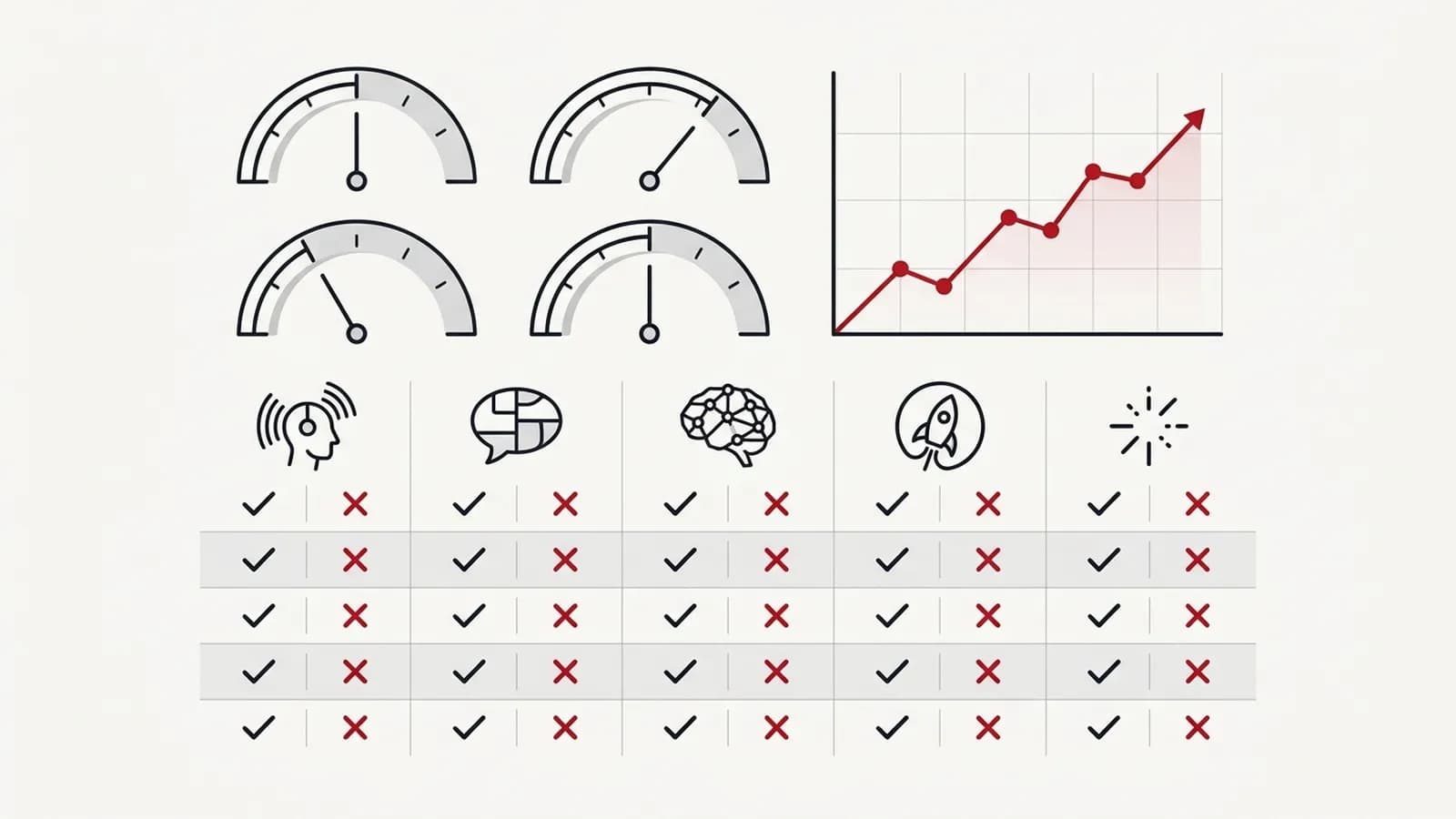
Screenshots are not evidence; the same prompt can give different answers an hour later. Use a fixed set of 30–50 buyer prompts across three themes: how ChatGPT describes your brand, how it compares you with competitors, and whether it recommends you as the answer to a buyer's problem, with prompts for each stage of the buying journey. Run each prompt several times, logged out and set to the buyer's location, and repeat the full set monthly. Track four metrics: mention rate, citation rate, recommendation share against named competitors, and accuracy. Check GA4 for referrals from chatgpt.com, since ChatGPT typically adds a utm_source=chatgpt.com parameter to links it shows.
The full method, including a worked example scorecard, is in my guide to measuring AI search visibility. If you want a professional baseline, an AI visibility audit gives you the prompt set, competitor comparison and a prioritised fix list.
Is ChatGPT SEO worth it for your business?
ChatGPT SEO is worth it if your buyers research with AI assistants and your category involves comparison: B2B services, software, professional services, considered consumer purchases. For local businesses whose customers mostly search for a phone number and a map, the picture is more mixed: people do ask assistants for local recommendations, but the work that helps is mostly thorough local SEO, such as a complete Google Business Profile, genuine reviews and consistent details everywhere. Check what assistants say about your category in your city before deciding how much to invest.
Either way, ChatGPT SEO is not a separate world from traditional SEO. The work overlaps heavily, which I explain in GEO vs SEO vs AEO. My GEO consulting starts with that shared foundation and adds only what ChatGPT visibility genuinely needs.